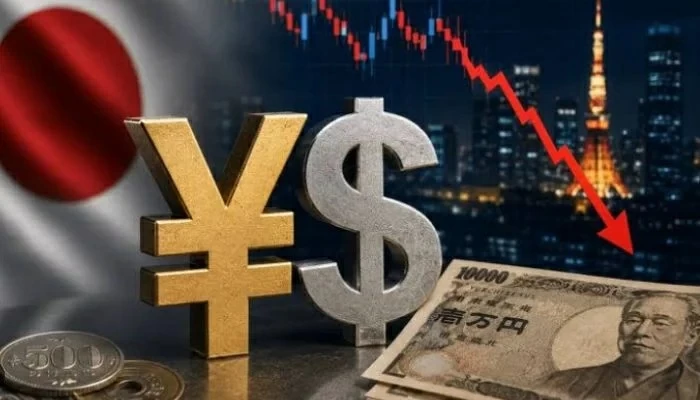
في خطوة نادرة هي الأولى منذ أكثر من عقد، تدخلت وزارة الخزانة الأمريكية لدعم الين الياباني المتراجع، بعد أن اقترب من أدنى مستوياته في نحو 40 عاماً.
ووفق ما نقلته (فاينانشال تايمز)، نفذ بنك الاحتياطي الفدرالي في نيويورك عمليات شراء للين وبيع لليورو نيابةً عن الخزانة عبر مصرفي (غولدمان ساكس) و(مورغان ستانلي)، في تحرك يعكس تنسيقاً مباشراً مع طوكيو لكبح رهانات المضاربة التي تضغط على العملة اليابانية.
وجاء التدخل الأمريكي بعد إبلاغ الخزانة عدداً من البنوك بضرورة الاستعداد لتحركات محتملة في سوق الين، فيما كشفت صورة التقطتها (رويترز) لمذكرة أمام وزير الخزانة سكوت بيسنت عن توجيه لشراء الين بقيمة تتراوح بين 5 و10 مليارات دولار، دون تأكيد رسمي لحجم المشتريات.
وتزامن التحرك الأمريكي مع تدخلات واسعة من جانب السلطات اليابانية، إذ تشير بيانات البنك المركزي إلى أن طوكيو ربما باعت ما يصل إلى 58.97 مليار دولار لشراء الين في محاولة لوقف تراجعه، قبل أن تعود للتدخل مجدداً خلال ساعات التداول في نيويورك؛ وفق ما ذكرته صحيفة (نيكي).
وأدى الإعلان عن التدخل المحتمل إلى تعزيز الين بشكل ملحوظ، إذ تراجع الدولار إلى نحو 157.6 ين قبيل إغلاق التعاملات الأمريكية، بعد أن كان قد صعد في الأسابيع الماضية إلى قرابة 164 ين، وهو أعلى مستوى له منذ عام 1986.
وتستعد اليابان والولايات المتحدة، بحسب وكالة (كيودو)، للكشف عن سياسة مشتركة لمعالجة ضعف الين، في خطوة تهدف إلى توجيه تحذير للمضاربين واستعادة استقرار الأسواق.
وفي سياق متصل، أكدت وزارة المالية اليابانية امتلاكها «مجموعة واسعة من الأدوات» لدعم السيولة، بما في ذلك آلية إعادة الشراء الدائمة (FIMA) التابعة للاحتياطي الفدرالي، التي تتيح لطوكيو الحصول على سيولة بالدولار دون بيع سندات الخزانة الأمريكية، ما يخفف ضغوط التمويل المصاحبة للتدخلات.
ويمثل هذا التحرك الأمريكي الياباني المشترك أول تدخل مباشر لدعم الين منذ عام 2011، حين نسقت دول مجموعة السبع لتهدئة الأسواق عقب كارثة الزلزال وتسونامي في اليابان، في مؤشر على جدية الجانبين في مواجهة التقلبات الحادة التي تشهدها أسواق العملات.
In a rare move, the first in over a decade, the U.S. Treasury intervened to support the declining Japanese yen, after it approached its lowest levels in nearly 40 years.
According to what was reported by the (Financial Times), the Federal Reserve Bank of New York executed yen purchases and euro sales on behalf of the Treasury through (Goldman Sachs) and (Morgan Stanley), in a move that reflects direct coordination with Tokyo to curb speculative bets that are pressuring the Japanese currency.
The U.S. intervention came after the Treasury informed several banks of the need to prepare for potential moves in the yen market, while a photo taken by (Reuters) of a memo in front of Treasury Secretary Scott Piesen revealed a directive to purchase yen worth between $5 billion and $10 billion, without an official confirmation of the purchase size.
The American move coincided with extensive interventions by Japanese authorities, as data from the central bank indicates that Tokyo may have sold up to $58.97 billion to buy yen in an attempt to stop its decline, before intervening again during trading hours in New York; according to what was reported by the (Nikkei) newspaper.
The announcement of the potential intervention led to a significant strengthening of the yen, as the dollar fell to about 157.6 yen just before the close of U.S. trading, after having risen in recent weeks to nearly 164 yen, its highest level since 1986.
Japan and the United States are preparing, according to (Kyodo) news agency, to unveil a joint policy to address the weakness of the yen, in a move aimed at sending a warning to speculators and restoring market stability.
In a related context, the Japanese Ministry of Finance confirmed that it possesses “a wide range of tools” to support liquidity, including the Federal Reserve’s permanent repurchase agreement mechanism (FIMA), which allows Tokyo to obtain dollar liquidity without selling U.S. Treasury bonds, alleviating the funding pressures associated with interventions.
This joint U.S.-Japanese move represents the first direct intervention to support the yen since 2011, when the G7 countries coordinated to calm the markets following the earthquake and tsunami disaster in Japan, indicating the seriousness of both sides in addressing the sharp fluctuations experienced in currency markets.