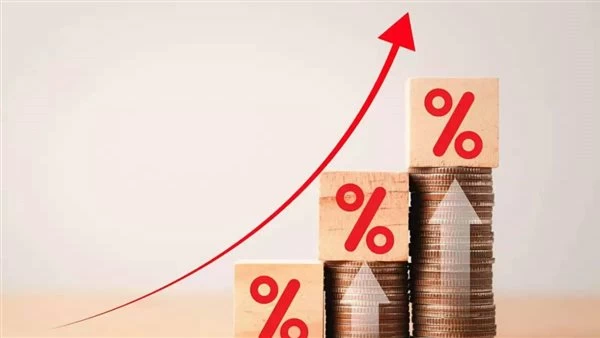
أعلنت بنوك مركزية خليجية اليوم، رفع أسعار الفائدة بعد قرار مماثل للفيدرالي الأمريكي.
وقرر البنك المركزي السعودي رفع معدل اتفاقية إعادة الشراء «الريبو» بمقدار 25 نقطة أساس إلى 4.50%، ورفع معدل اتفاقية إعادة الشراء المعاكس «الريبو العكسي» بمقدار 25 نقطة أساس إلى 4.00%.
الحفاظ على الاستقرار النقدي
ويأتي هذا القرار اتساقاً مع هدف البنك المركزي في المحافظة على الاستقرار النقدي.
من جانبه، قرر مصرف الإمارات المركزي رفع سعر الأساس على تسهيلات الإيداع لليلة واحدة 25 نقطة أساس من 3.65% إلى 3.9% اعتباراً من الخميس.
كما قرر كل من البنك المركزي العماني ومصرف البحرين المركزي رفع الفائدة بمقدار 25 نقطة أساس.
مكافحة التضخم
ورفع مجلس الاحتياطي الفيدرالي الأمريكي (البنك المركزي الأمريكي)، اليوم (الأربعاء)، سعر الفائدة الرئيسي للمرة الأولى منذ أكثر من 3 سنوات.
وزاد البنك سعر الفائدة الرئيسي 25 نقطة أساس لنطاق بين 3.75% و4%.
جاء القرار في وقت يكافح البنك المركزي تضخماً مستعصياً تغذيه ارتفاعات أسعار الطاقة. كما يتوقع بعض محللي «وول ستريت» رفع الفائدة مرة أو مرتين إضافيتين خلال الأشهر القادمة.
Gulf central banks announced today an increase in interest rates following a similar decision by the U.S. Federal Reserve.
The Saudi Central Bank decided to raise the repurchase agreement rate (repo) by 25 basis points to 4.50%, and to raise the reverse repurchase agreement rate (reverse repo) by 25 basis points to 4.00%.
Maintaining Monetary Stability
This decision comes in line with the central bank’s goal of maintaining monetary stability.
For its part, the Central Bank of the UAE decided to raise the base rate on overnight deposit facilities by 25 basis points from 3.65% to 3.90% starting Thursday.
Both the Central Bank of Oman and the Central Bank of Bahrain also decided to raise interest rates by 25 basis points.
Combating Inflation
The U.S. Federal Reserve (the American central bank) raised the key interest rate today (Wednesday) for the first time in more than 3 years.
The bank increased the key interest rate by 25 basis points to a range between 3.75% and 4%.
This decision comes at a time when the central bank is grappling with stubborn inflation fueled by rising energy prices. Some Wall Street analysts also expect one or two additional rate hikes in the coming months.