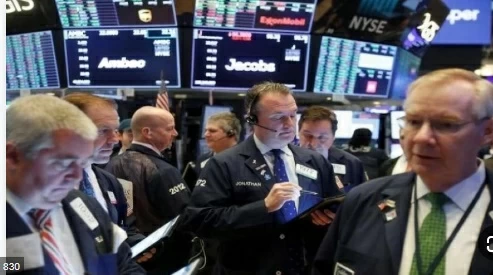
أعلن الفريق الاستراتيجي في بنك «مورجان ستانلي»، بقيادة محلل الأسواق «مايك ويلسون»، أنه في حال زيادة التقلبات في سوق السندات وارتفاع أسعار الفائدة طويلة الأجل، فإن الأسواق الأمريكية ستشهد أول تصحيح ملموس في أسعار الأسهم منذ وصولها إلى القاع في نهاية مارس الماضي.
وأشار ويلسون إلى أن القفزة الحالية في عوائد سندات الخزانة، مضافاً إليها النبرة المتشددة لمجلس الاحتياطي الفيدرالي، تعكس التأثير المزدوج لارتفاع أسعار النفط وقوة الاقتصاد؛ مؤكداً أن أسواق السندات بحاجة إلى حل دائم للصراع الإيراني قبل أن تبدأ معدلات الفائدة في التراجع مجدداً، بحسب «بلومبرج».
مستويات قياسية
ورغم هذه المخاطر قصيرة الأجل، أبقى خبراء البنك على نظرتهم التفاؤلية للأسهم في الأجل الطويل، إذ رفعوا مستهدفهم لمؤشر «إس أند بي 500» لـ 12 شهراً القادمة إلى 8,300 نقطة، لافتين إلى أن المستثمرين يقللون من حجم نمو أرباح الشركات التي لا ترتبط بالذكاء الاصطناعي.
وجاء التحذير بعد تراجع مؤشر «إس أند بي 500» عن مستوياته القياسية أواخر الأسبوع الماضي، بالتزامن مع مؤشرات العقود الآجلة التي تؤكد استمرار الهبوط.
ويعود ذلك إلى تفاقم المخاوف التضخمية الناتجة عن الارتفاع الطويل في أسعار الطاقة بسبب الصراع الإيراني، ما دفع عوائد السندات الأمريكية لأجل 30 عاماً إلى أعلى مستوياتها في 3 سنوات، كما قفزت العوائد في اليابان لأعلى مستوياتها منذ عقود.
The strategic team at Morgan Stanley, led by market analyst Mike Wilson, announced that if volatility in the bond market increases and long-term interest rates rise, the U.S. markets will witness the first significant correction in stock prices since they bottomed out at the end of March.
Wilson pointed out that the current jump in Treasury yields, combined with the Federal Reserve’s hawkish tone, reflects the dual impact of rising oil prices and a strong economy; emphasizing that the bond markets need a permanent resolution to the Iranian conflict before interest rates can begin to decline again, according to Bloomberg.
Record Levels
Despite these short-term risks, the bank’s experts maintained their optimistic outlook for stocks in the long term, raising their target for the S&P 500 index for the next 12 months to 8,300 points, noting that investors are underestimating the growth of corporate earnings that are not related to artificial intelligence.
The warning came after the S&P 500 index retreated from its record levels late last week, coinciding with futures indicators that confirm the continued decline.
This is due to the worsening inflation fears resulting from the prolonged rise in energy prices due to the Iranian conflict, which pushed U.S. 30-year bond yields to their highest levels in three years, while yields in Japan surged to their highest levels in decades.